
If you want to reach Chinese gamers, you need Bilibili. You need to know how it works. Who is in it. What kind of approach you can do.
You need to understand Bilibili.
The platform has over 340 million monthly active users and a community built around gaming, anime, and digital culture. Bilibili is China’s dominant platform for game discovery, community building, and player engagement. It is often described as the “YouTube of China,” Bilibili has evolved well beyond video hosting. Today it is a full-funnel marketing ecosystem—where brands can run paid campaigns, build organic communities, and partner with a new generation of gaming creators, all in one place.
For global game developers and publishers entering the China market, know that Bilibili IS NOT OPTIONAL. It is where players go to watch trailers, follow game updates, discuss patch notes, and discover what to play next.
This guide covers the three pillars of Bilibili game marketing: advertising, social, and influencer partnerships. Each has its own in-depth article, but keep reading through because we are laying out what you need to know.
How to Advertise on Bilibili
Bilibili’s advertising platform is built around one core principle. Ads should feel like content.
Unlike traditional display advertising, Bilibili’s most effective ad formats are native to the feed, designed for genuine engagement from a community that is highly attuned to anything that feels forced or inauthentic.

For game marketers, this means creative quality matters. A well-produced trailer or gameplay video that vibes with the community can generate organic reach far beyond its paid placement—while low-effort creative is quickly ignored or criticised in the comments.
Building a Community on Bilibili
One of the most common mistakes foreign game studios make on Bilibili is treating it purely as a video distribution channel. Bilibili is a community platform first. Players come here not just to watch content, but to discuss, share opinions, post reactions, and connect with developers directly.
Brands that build a genuine presence—rather than just dumping trailers and leaving—consistently outperform those that treat Bilibili as a one-way broadcast channel.

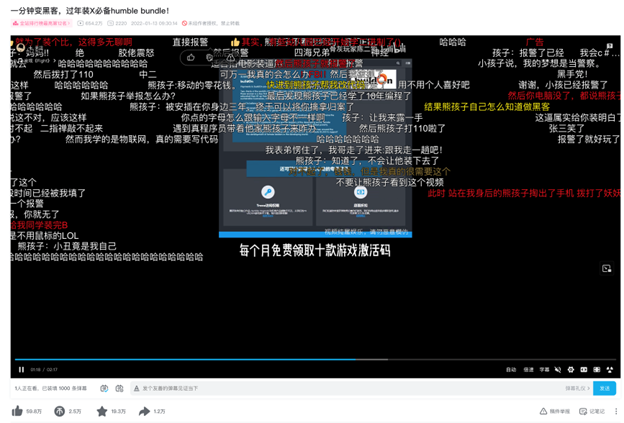
UP Master Marketing: How Influencer Campaigns Work on Bilibili
Bilibili’s creator community—known as UP Masters—is one of the most influential forces in Chinese gaming culture. These are not traditional influencers in the Western sense. Bilibili’s top gaming creators are deeply knowledgeable, highly trusted by their audiences, and capable of shaping the community’s overall perception of a game.
For game marketers, working with UP Masters is one of the highest-ROI activities available on the platform. But! It will require curated approaches to influencer campaigns in other markets.
A Native-First Approach
The thread connecting all three pillars—ads, social, and influencers—is the same: Bilibili’s community can immediately tell when a brand understands their culture.
Simply repurposing assets from YouTube or Steam will not work. Content needs to be created with Bilibili’s audience, formats, and community norms in mind.
The studios that succeeded on Bilibili treated it as a long-term investment.
They show up consistently, respond to their community, work with creators who genuinely care about their games, and build a presence that earns trust over time. For global game developers and publishers, this can feel like a significant shift from how marketing is typically run in Western markets. But if you want to thrive, you gotta put in the work. Only then you will see a significant difference.
At The Game Marketer, we help global studios build and execute Bilibili strategies that actually work. If you’re ready to take your China marketing seriously, get in touch.