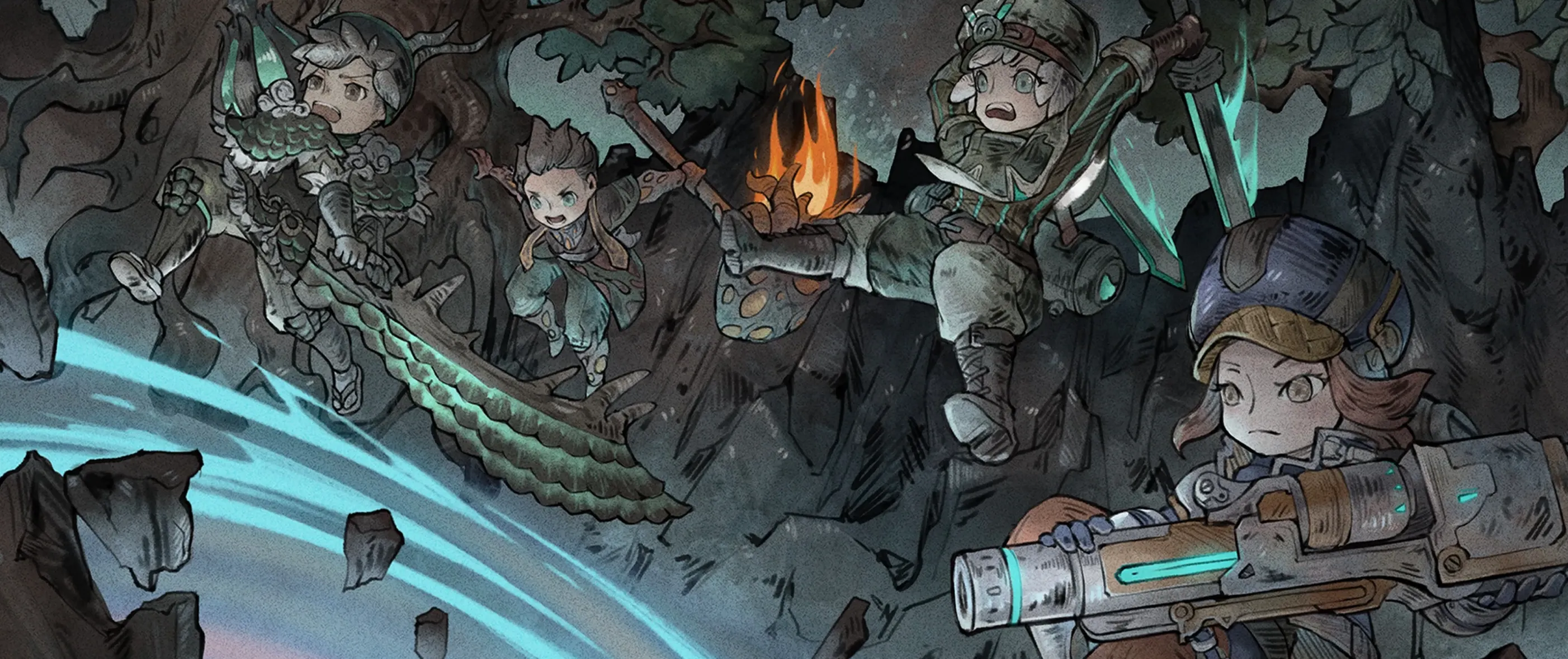

“Once upon a time, in a land far away, there was a valorous hunter who jumped on mushrooms”
The power of storytelling cannot be overstated and underestimated. It is a fundamental part of being human, communication, and even game marketing. It has the ability to connect with the audience on so many levels, not just emotionally, which makes it essential in promoting and selling games.
In this blog post, we’ll explore how storytelling has helped games succeed and how marketers can harness such a powerful tool to build stronger connections.
Introducing the Power of Storytelling in Game Marketing
Storytelling is more than a tool for promoting a game. It is an art for players to feel and interact with. Through storytelling, game marketers can evoke strong emotions through art, trailers, and even screenshots, which can serve as the foundation for building anticipation and hype.
With storytelling, you can expand the experience through interactive campaigns or community events that make the players feel like they are part of a bigger world than what's on the screen.
Instead of simply marketing a game, it invites players into a world they can't wait to explore and care for.
How Games Have Utilised Storytelling for Years
Stories and storytelling have been the backbone of many games from classic table tops to the latest video games. By inserting a story into a game, you create an immersive experience that players can identify with, and a reason to care about the journey and why they are on said journey. Stories are crucial to any game and continued innovation in storytelling elevates these games to new heights.
%20copy.webp)
The Benefits of Storytelling in Game Marketing
One of the biggest benefits of storytelling in game marketing is its ability to create an emotional connection with your audience, helping your game stand out from its competitors. It also keeps players interested through trailers, screenshots, and other promotional content, building excitement before launch and increasing the chances they'll buy the game. But it doesn’t end there. It can go beyond the screen, leading to fan-driven content like fan art, cosplays, and even fan fiction. Together, these benefits can affect a game's success even before its release. Stories may begin as words but its effects cannot be underestimated.
Examples of Best Practices When Using Storytelling in Game Marketing
They say "practice makes perfect," but if you're practicing the wrong things, you'll only get better at doing them wrong.
A good story can make your game more memorable, but only with the right audience. Different players look for different experiences. That’s why one of the first things you should do is to simply identify for whom your story is for. Your story should match your audience’s expectations as much as possible.
Once you have figured out who your story is for, then you can start creating a world they’d want to be a part of (and by extension, you). Interesting characters, meaningful conflicts, and a setting people can believe in can make players invested long before the game is released.
But as you know, stories are more than words can say. It is how it’s delivered. Your trailers, visuals, dialogue, gameplay, and other elements should all work together to shape an experience players will never forget.
And lastly, share the love. Share your game and story through videos, social media, blogs, and websites to keep players interested. Give them a reason to go on a journey with their friends or by themselves. When storytelling is practiced correctly, it becomes more than a marketing tool. It gives players a reason to care before they press “Start.”
Keeping Players Engaged Through Storytelling
Stories are not just one-and-done. Stories are supposed to last forever. In this case, it’s also supposed to keep your target audience interested in your game. And you can start by crafting a story your players can connect with and characters they can relate to.
Then, once you’ve captured their attention, continue riding the momentum. Share details about your game through trailers and social media to keep players eager to know more about your game.
You can even invite players to become part of your game marketing journey. Encourage them to create art and discussions about your game. Collaborating with content creators also helps your story be shared with more people, even adding a different perspective to your story.
But your story doesn’t have to end there. New chapters, events, and other updates can give you more opportunities to keep the story alive and reasons for players to stay for more.

Closing Thoughts on The Power of Storytelling in Game Marketing
In closing, the power of storytelling in game marketing is a force to be reckoned with in the ever-evolving landscape of the gaming industry. It's not merely a promotional tool; it's the essence that can transform a game from a product into an experience. When a well-crafted narrative is woven into the marketing strategy, it has the potential to forge deep emotional connections with players, draw them into the game's universe, and keep them engaged over the long term. From building anticipation with compelling trailers to creating relatable characters and immersive worlds, storytelling has the ability to set a game apart, leaving a lasting impression. It's a tool for fostering community, sparking discussions, and extending a game's life beyond its initial release. In essence, storytelling isn't just a tactic—it's a bridge that connects the creators with their audience, enriching the gaming experience and ensuring that it resonates far beyond the screen. In the world of game marketing, storytelling is a timeless and invaluable asset.
In conclusion
There is a certain power that stories have. It becomes a journey you never took, a land you have never seen, and people you never met, and at the same time, an experience you felt and will never forget. So storytelling in game marketing is not only great, it is essential because stories help players connect deeply with your world. It’s more than the trailers, the screenshots, and the gameplay. When they feel an emotional connection with your game, they will most likely want to share that feeling with others and keep coming back for more. It helps them stay excited from pre-launch to post-launch.
Your game could be an indie game, it could be a triple A, but a story should never be an afterthought. It has to be a part of your development and game marketing.
At the end of the day, it’s about giving your players a reason to care about your game. Graphics will become outdated and innovative gameplay will be copied, but your stories will stay with them long after the credits roll.